Author: Altitude Home Loans

private mortgage insurance altitude home loans

What Is Private Mortgage Insurance, and Do I Have to Pay For It?

When owning a home, homeowners insurance plays an integral role in protecting your investment and ensuring you aren’t responsible for excessive costs. However, it can be challenging to sort through the different types of home insurance to determine what is essential. If you are considering home loans in Tucson, this article will explain private mortgage insurance and whether you need to pay for it.

What Is Private Mortgage Insurance?

Private mortgage insurance (PMI) is a type of insurance that protects mortgage lenders in case the borrower fails to repay the debt. While this coverage does not protect you from the costs of home ownership, it is essential to allow lenders to offer loans to a broader range of applicants. By protecting themselves from the risk of nonpayment, lenders can take more significant risks with the loans they offer.

While PMI is critical to many mortgage agreements, it isn’t always needed. Lenders do not require this coverage for all loans, so read the following section to determine when lenders will apply this cost.

When Is PMI Required?

Although PMI is an unavoidable cost for many home buyers, not every mortgage includes coverage. Conventional loans often have this coverage, but the down payment makes an impact as well. Many homeowners can avoid paying for this coverage by providing a more significant down payment or boosting credit scores to improve offers. 

Do I Need To Pay For PMI?

While PMI may be a burden for some potential home buyers, many people need to pay the cost in order to purchase a house. Lenders commonly apply the cost to your monthly payments but may also make other payment options available. One of these alternative options is typically a one-time payment, which can be an excellent option for those interested in minimizing monthly expenses.

Get Mortgage Help in Tucson Today

Purchasing a home is a stressful but rewarding process. While there are many decisions to make and factors to consider, owning a home you can genuinely be proud of makes everything worth it. Additionally, working with an experienced and helpful mortgage lender can dramatically simplify the process and help you get the keys to your new home as soon as possible.

At Altitude Home Loans, we strive to make every step of the home buying process as easy as possible for our clients. You can visit our website to learn more about the mistakes that first-time home buyers make and find other helpful articles and answers to frequently asked questions. When you turn to Altitude Home Loans, you can ensure your buying process goes as smoothly as possible.

We offer excellent rates and friendly service to clients across Arizona. Our team is passionate about helping community members achieve their goal of home ownership, so never hesitate to reach out with questions or concerns. Now that you know about private mortgage insurance call Altitude Home Lending at 520-500-1010 to find the best home mortgage lender in Tucson.

refinance facts altitude home loans

7 Mortgage Refinance Facts and Myths to Set the Record Straight

Refinancing for the first time might make you uncertain of what to expect. At Altitude Home Loans, we strive to provide you with innovative mortgage refinancing options. Let’s explore the common refinance facts and myths so that you can approach home refinancing in Tucson with confidence.

Myth#1: You Will Not Save Enough Money

Depending on the interest rate on your current loan and the rates today, you can save money by refinancing. Even a half-point reduction in your interest rate could save you a significant amount of money over the life of the loan. 

Myth#2: You Need Perfect Credit to Refinance

Refinancing options for homeowners with bad FICO scores do exist. Most lenders know that late payments or other bumps in the road may show up on your credit report. Ask an expert financial advisor how to improve your credit score. 

Myth#3: You Need Expert Knowledge About Refinancing 

Many people assume that they need to understand the mortgage process for refinancing. Before you meet with a lender, you may find it helpful to brush up on your knowledge. No matter how little you know, do not let this stop you from lowering your mortgage. 

Contact a financial advisor for assistance and find the break-even point for your loan amount. Keep reading the refinance facts to learn about the most common misconceptions. 

Myth#4: You Lose Equity by Refinancing

Refinance loans can help you build equity since you pay off your mortgage faster. Some refinance loans offer the option of drawing on your home equity like a cash-out refinance. Getting a lower interest rate or shortening your mortgage term will not affect your equity.

Myth#5: You Can No Longer Sell Your Home

Refinance loans replace an existing mortgage and do not prevent the sale of your home. Unlike home equity loans, a refinance does not place a lien on your home. If you sell your home, you must repay the loan or make the repayment from the sale.

Myth#6: You Should Only Refinance for Lower Interest Rates

Many homeowners believe refinancing makes sense if interest rates dip below their mortgage rate. However, borrowers can save money by refinancing a 30-year loan to a 15-year loan. While this could result in higher monthly payments, it will save you tens of thousands of dollars in interest.

Myth#7: You Cannot Negotiate Closing Costs

Refinancing does require you to pay closing costs. Normally, you cannot negotiate loan origination and application fees imposed by mortgage lenders. However, you can negotiate the recording fees set by the state or local government.

Altitude Home Loans: Trusted Mortgage Refinancing Company

When you refinance, you get a new mortgage to pay off your current one. A trusted financial advisor can debunk the most common myths and provide you with up-to-date refinance facts. Altitude Home Loans can help you navigate refinancing, talk about your finances and mortgage loan truths, and save money. 

Contact Altitude Home Loans today to discuss refinancing your home. Call us at (520) 500-1010.

underwater mortgage

Underwater Mortgage: What it Means?

Purchasing a home is a significant investment. When values decline, homeowners can be left devastated with an underwater mortgage.

At Altitude Home Loans, we understand the changing market and can help you know where you stand. Call us, Tucson’s trustworthy home purchasing officers, at 520-500-1010 to find out more.

What Does It Mean to be Underwater?

You are underwater if you owe more on your home loan than the home is worth. Your home loses value due to declining property values. Unfortunately, you must continue to pay the home mortgage for its initial value unless you take steps to mitigate it.

Why do Property Values Decline?

Home values decline when the economy declines. When the economy falls, people lose jobs and income, making them less likely to buy homes. Therefore, a decline in home buying leads to a reduction in home values.

Other declines occur based on changing neighborhood demographics, like when businesses close in one area and rebuild in another. Homebuyers want homes closer to the consumer industry with newer stores, restaurants, and jobs.

The presence of fewer homebuyers reduces the value of homes that remain on the market. If the average home in your area is selling for less, your home value may decrease. 

How Do I Know If I Am Underwater?

Compare your mortgage balance with the current value of your home.

Request a payoff statement from your lender. Include the principal balance, interest, taxes, and other loan balances such as home equity loans.

Review real estate websites and compare the recent sale prices of homes in your area with similar square footage and amenities. If the average sale price is lower than you owe, you may have an underwater mortgage. Schedule a property evaluation through your real estate or loan company to determine the actual value of your home.

What Are My Options?

If you are not planning to move soon and have no issues paying your current mortgage, you don’t need to do anything. You can continue to make monthly payments until the market value returns to normal.

If you want or need to sell, you have a few options, including:

  • Selling for the best value and owing the difference
  • Refinancing to modify your current mortgage rate or interest rate
  • Requesting a short sale where the lender sells the home at the best value and takes a loss on the remaining amount

Each has pros and cons.

The safest is selling and owing the difference since it does not impact your credit score.

Refinancing is challenging because you must have a good standing on your current loan. You cannot be behind or have missed a mortgage payment in the last 12 months.

The short sale will negatively reflect your credit score and make it difficult to get future credit and home loans.

Which Option Is Best?

Talk to your lender or a home loan refinancing expert if you aren’t sure. Altitude Home Loans is Tucson’s leading home loan company. Our experienced team of experts can explain your underwater mortgage options and help you decide. For more information, or to learn more about loans for first-time home buyers, contact Altitude Home Loans at 520-500-1010.

loans for first time home buyers

Loans for First-time Homebuyers: A Short Guide

Here at Altitude Home Loans, we aim to help you find your dream home. Call us today at 520-500-1010 to speak with our mortgage experts.

If you are one of the many Americans seeking a loan for your first home, the process may seem daunting. Thankfully, getting loans for first-time homebuyers is one of our primary missions at Altitude Home Loans. The home purchasing officers in Tucson from Altitude Home Loans can guide you through the process from start to finish.

What Is a First-time Homebuyer?

Even if you’ve owned a home in the past, you can still meet the criteria for a first-time buyer. The rules state that you qualify as a first-time homebuyer if you haven’t owned a qualifying home in the past three years. That said, there are a few caveats.

To qualify as a first-time buyer, you can’t currently own investment property, but you can own property that isn’t up to code. Also, if you’ve owned property with a spouse before divorce, you may qualify.

Types of Mortgages

Conventional

Conforming conventional mortgages abide by the rules of government-sponsored entities (GSEs) like Freddie Mac and Fannie Mae. GSEs don’t issue loans but guarantee loans from institutions that meet their guidelines.

Conforming conventional loans sometimes require more substantial down payments, charge a larger monthly mortgage payment, and are harder to qualify for in general. These loans are often fixed. For 2022, the maximum loan amount is $647,200.

With nonconforming conventional loans, the specific lender sets its loan guidelines.

Floating

Floating loans include adjustable-rate mortgages. They offer low introductory interest rates for more manageable initial payments. A floating-rate mortgage payment can increase substantially after a set period.

Fixed-rate

The interest rate doesn’t change during the loan term of a fixed-rate mortgage, which can bode well for the homeowner if the initial interest rate is low.

Mortgage Programs for First-time Homebuyers

HUD-FHA

The Federal Housing Administration (FHA) is a division of the Department of Housing and Urban Development. Mortgage loans from the FHA have looser credit requirements and offer down payments as low as 3.5%, as opposed to 20%.

VA Loans

The United States Department of Veterans Affairs (VA) backs loans from lenders who meet their guidelines. If you qualify, no down payment may be required.

USDA

Backed by the U.S. Department of Agriculture (USDA), these loans go to low-income rural residents. The USDA can guarantee loans with very low down payments. They also offer direct loans with interest rates as low as 1%.

Special Loan Programs

Down Payment Assistance

HUD maintains lists of state agencies that help with down payments. Certain groups like low-income people often qualify. To see whether you are eligible, contact your specific state agency.

People can use up to $10,000 of their IRA (whether traditional or Roth) for down payments, although Roth owners need to have had an account for at least five years.At Altitude Home Loans, we work hard to mitigate the mistakes of first-time homebuyers. Call us now at 520-500-1010 to secure the right mortgage for your needs.

prequalified vs preapproved

Prequalified vs. Preapproved Loans: What’s the Difference?

Whether you’re a first-time homebuyer or moving up the property ladder, the loan process can seem complicated. Mortgage loans are essential for most aspiring homeowners. Fortunately, the process can be straightforward with proper guidance.

At Altitude Home Loans, our team understands that a bit of information goes a long way toward relieving stress during the home buying process. We’re Tucson’s trusted home loan officers, and we’re here to help.

In this blog, we talk about two stages in the mortgage loan process that people often get mixed up: prequalified vs. preapproved. If you’re just getting started with your home loan applications, brushing up on what each of these phases means will help you prepare for every step of the journey toward your new home.

To learn more about home loans, buying a home, and more, browse our blog or reach out to us at Altitude Home Loans today.

What Is Mortgage Prequalification?

If you’re preparing to buy a home, you may already be familiar with the term “prequalification.” During this stage, homebuyers receive estimates on their borrowing potential. Lenders determine a buyer’s borrowing potential using several factors, including asset information, credit checks, and income.

The primary difference between a prequalified vs. preapproved loan application is that preapproved loans have been vetted and backed by the lender. Prequalified loans typically require more research before reaching preapproval. Many lenders may provide prequalification based on self-reported financial details, so be sure to be as accurate as possible.

If you’re an aspiring buyer beginning the home loan application process, it pays to:

  • Check your credit score
  • Obtain records of your tax returns
  • Collect proof of income
  • Obtain banking statements

Lenders generally require these documents during the early stages of mortgage loan applications. Having them handy will speed up the process for you and the lender.

What Is Mortgage Preapproval?

Mortgage preapproval comes after prequalification. During this stage, lenders take extra steps to verify a potential buyer’s credit history, income, and other financial information.

A preapproval letter provides buyers with proof of borrowing status and helps them shop for homes within an appropriate price range. Preapproval is a critical step and is as close to buying a home as a buyer can get without a purchase contract in hand.

How Long Does Preapproval Take?

Preapproval times may vary depending on the lending institution. Always check with your lender before beginning the mortgage loan application process. Be sure to ask critical questions such as:

  • Application requirements
  • What to expect during the application process
  • Potential interest rates
  • The current state of the real estate market in your target area

Learn More about Mortgage Loans

If you’re ready to buy a new home, don’t let the complexity of the mortgage loan process stop you short. At Altitude Home Loans, our team is here to help you learn about the steps when buying a house, including what it means to be prequalified vs. preapproved, how to choose the right home for your needs, and more.

To get started on your journey to a new home, reach out to us today. 

mortgage interest rates trend

Mortgage Interest Rates Trend in Tucson This 2022

Thinking about purchasing a home this year? Consider Tucson, Arizona!

Tucson is among the top 10 U.S. cities identified as a hidden gem in the housing market. This is largely based on the number of homes for sale in the Tucson area, the cost of the homes, and the lower mortgage interest rates trend for a home loan in Tucson by Altitude Home Loans, among other things. Despite the ongoing COVID impact making many of us question what lies ahead, this may be the year to consider purchasing in Tucson. 

What’s Driving Home Sales?

Home sales over the past two years have been impacted by building material shortages, which have resulted in fewer new homes for sale and increased costs for those that were available. With increased costs in supplies came longer development times, which further impacted sale prices. With that trend expected to continue in 2022, experts predict only a 1% increase in overall new home sales across the country.   

Why Tucson? Why Now?

We are in unprecedented and somewhat uncharted territory with the ongoing COVID crisis impacting how we work and live; however, we are a very adaptable society. After all, our lives must go on. Family matters, and we want to maintain our quality of life. To do that, we need to find ways to keep working and moving forward. Fortunately, we suddenly find ourselves with an even greater ability to do just that.   

Gone are the days when it was necessary to consider buying a home close to work. With much of the job market migrating to a largely teleworking format, we can now work from anywhere and live anywhere. We can now consider purchasing in cities and states that appeal to our lifestyle, our weather preferences, and more than ever, our wallet size. Instead of settling for a smaller, more expensive home near the brick-and-mortar office, we can buy a larger, less expensive home in the area of our choosing.

What Does This Mean Overall?  

The incredible flexibility of moving wherever we want opens up a world of possibilities, the biggest of which might be moving someplace that we love. Whereas before the pandemic many buyers felt limited by what a mortgage calculator showed them they could afford in their area, now they can get much more for their money if they move somewhere else.

There’s a lot to consider when it comes to getting a mortgage, including the life of the loan, closing costs, percentage points, and how mortgage interest rates trend. The process of buying a home may never be completely easy, but being able to decide where and for how much certainly makes it a lot better. 

If you’re thinking about purchasing a home this year, there is greater incentive to purchase in Tucson than ever before. Beyond the draw of the incredible sunshine, the beautiful mountains, and the wide open spaces, there’s the affordability.

Look at the changing trends and discover the mortgage loan truths for yourself. If you can take your life anywhere, consider taking it to Tucson.      
For more information on getting a mortgage in Tucson, contact us at 520-500-1010 today.

the truth about mortgage loans

The Truth About Mortgage Loans: Debunking Common Myths

Mortgage loans help you secure the funds you need to buy the home of your dreams. Unfortunately, there are a lot of myths about these loans. You can learn the truth about mortgage loans with our Altitude Home Loans staff, the home loan experts in Tucson, AZ.

Our team at Altitude Home Loans can answer all your questions about mortgage loans. Please find out more by calling us at 520-500-1010, then reading on to learn the truth about mortgage loans.

Myth #1: You Hurt Your Credit Score When You Shop Around

Generally, repeated inquiries lower your credit score. However, FICO makes exceptions for some inquiries. For example, FICO counts all inquiries of the same type made within a 30-day window as a single inquiry.

Therefore, you can shop around for the best interest rates for your mortgage loan. Just make sure that you do all your checking within the same 30-day period.

Myth #2: You Only Have to Pay the Down Payment Up Front

When you buy a house, part of your financial planning before buying a house should include preparing for a sizeable down payment. Some property owners only plan to pay the down payment, counting on their loan to cover the rest of their expenses, but thorough financial planning can help anticipate additional costs.

However, in some cases, you’ll face other expenses. For example, most new homeowners need to pay a portion of closing costs. These costs usually come out to around 1-2% of the price for your home. Because homes are so expensive, don’t be surprised if you have to pay thousands of dollars more than you planned.

Myth #3: You Should Always Select a Fixed-Rate Mortgage

For many years, fixed-rate mortgages represented the standard. As a result, most homeowners took out a 30-year mortgage, moved in, and started paying the bank. However, when you consider the truth about mortgage loans, you may find that adjustable-rate mortgages work best in some cases.

In the past, many homeowners avoided adjustable-rate mortgages because the rates could rise, costing them more money. However, these mortgages have rate caps.

In some cases, professionals recommend an adjustable-rate mortgage if you do not plan to stay in your home for a long time. Consider all your options before you purchase real estate and decide which plan suits your needs. 

Myth #4: You Have to Put Down a 20% Down Payment

Traditionally, lenders expected new homeowners to provide a 20% down payment. While you could purchase a house with a smaller down payment, it led to higher interest rates and a requirement to purchase Private Mortgage Insurance (PMI).

These days, you can reduce the amount you’ll pay for a down payment by considering alternate lenders. For example, certain government agencies offer loans for a down payment as low as 3.5%. Considering these options can make it easier to purchase a home without making a large lump-sum payment.

Learn More Facts About Mortgage Loans

Our team at Altitude Home Loans can help you learn the truth about mortgage loans. Learn more about refinancing your home or purchasing a new home by calling us today at 520-500-1010. We’ll help you cut through the myths surrounding mortgage loans until only the truth remains.

Mortgage Process

Mortgage Process Steps

Approved Loan

The mortgage industry is a significant part of the US economy and is one of the biggest in the world. The mortgage rates are at an all-time low of 3.08% as of March 2021, spurring many home buyers. However, the mortgage process is quite daunting, especially for a first-time buyer. It is not always that you enter into debt with that many zeros.

A proper understanding of the mortgage loan process increases the chances of approval. Not only that, but it also helps you ask the right question. The process follows the following distinct steps including:

  • Budget Estimation
  • Pre-approval
  • House Hunting
  • Mortgage Application
  • Underwriting
  • Closing

In this article, we take you through the mortgage loan process in detail from budgeting to closing.

The Process of Getting a Mortgage

A mortgage is a type of loan used to finance a property, the latter being the collateral. It is generally a secured loan where the lender holds your property in collateral until the loan is paid in full.

The mortgage process itself starts with the borrowers applying with one or more lenders. The latter requires proof of the borrower’s repaying capability, including bank statements, tax returns, and employment proof. Furthermore, the lender will also run a credit check as a part of the loan approval process.

Once the loan is approved, the lender offers a preapproved amount at a specific interest rate. Buyers also have the option of applying for the loan before buying a home called preapproval. This gives you an edge in a tight property market.

Once the buyer, seller, and the lender agree, they come together for a closing meeting. At this point, the buyer makes the down payment to the mortgage lender. The seller then transfers the ownership to the buyer and receives the purchase price.

What Is the First Step in Getting a Mortgage?

The first step in any mortgage process is research. As with any significant financial decision, take time out to research the market. First, list the properties and the neighborhoods you like, followed by the asking prices. Next, see how long the houses stay in the market. This gives you an idea about the housing trend of the region.

Furthermore, take time to understand the process and the steps involved. That way, you know what to expect and get everything ready from your end.

15 Steps of a Mortgage Loan Process

Buying a new home is a big step yet exciting phase for everyone involved. However, the all too important mortgage can be overwhelming. Understanding the process and the technicalities can help you make the right decisions. Moreover, it also helps you to stay organized and be in control.

1. Prepare Your Budget

It is safer to kick off the mortgage loan process with a budget estimation. In many ways, that helps you to set realistic expectations not only with the house but also the mortgage.

Your purchase price should be three to five times the annual household income as a rule of thumb. This excludes the 20% down payment. Also, take into consideration your debt and financial situation.

Alternatively, you can also calculate the maximum monthly mortgage payment you can afford. Then work backward towards the maximum house price you can afford. According to the US Census Bureau’s 2019 American Housing Survey, the median monthly mortgage payment is $1200.

The mortgage payments include the principal, interest, and the homeowner’s insurance. When you focus on the monthly payment, your budget will account for all the ongoing costs.

2. Get Your Finances in Order

Mortgage Process - Get Your Finances in Order

With the budget ready, assess your finances to see if you are ready to buy a new house? Have you saved enough for a down payment and closing costs? What about your debts? And get ready to have your financials probed.

Buying a home is the most significant financial investment of your lifetime. So, it’s no wonder your lender goes through your financials with a fine-toothed comb. They are wary of substantial debts like student loans and car loans. If you are laden with debt, you may want to take a step back and improve your financial health.

Another point to note is the credit score. Lenders scrutinize your credit history for any cases of discrepancies. The minimum credit score requirement for home loans ranges between 580-620. A higher credit score warrants a better interest rate.

To improve your credit score:

  • Pay outstanding debts
  • Do not open new accounts
  • Avoid too many credit inquiries
  • Dispute errors in your credit report (if possible)

The final point to note is the debt to income ratio. It is a measure of your debt (credit card, car loan, personal loan, and student loan) and your income. A low debt to income ratio increases your chances of loan approval.

3. Choose the Right Mortgage

Have you decided what kind of mortgage you are looking for? Remember, the interest rate also depends on the mortgage that you choose. Moreover, the eligibility criteria also vary depending on the loan.

There are four major loan programs:

VA Loan – Backed by the Department of Veterans Affairs, VA loans are available only for veterans or active service members.

FHA Loan – Insured by the Federal Housing Administration, this loan has a low credit score minimum.

USDA Loan – Backed by the U.S. Department of Agriculture, the USDA loans are suitable for lower-income borrowers.

Conventional Loan – The government does not insure conventional loans. And hence have strict eligibility criteria. They are suitable for people with solid credit.

Of the above-mentioned loan programs, the mortgage rates for the VA loans are often the lowest.

4. Down Payment

Coming to down payments, VA loans and USDA loans do not need any down payment. Furthermore, FHA loans require a 3.5% down payment and conventional loans 3%. However, they will incur mortgage insurance. With a larger down payment of, say, 20%, you can avoid mortgage insurance. The issue with low or no down payments is that you’ll have to pay private mortgage insurance, which reflects on the monthly payments.

5. Research Mortgage Lenders

From traditional banks to credit unions and online lenders, you have many options. Your choice of mortgage lender depends on the mortgage that you choose. For example, if you choose a VA mortgage, the lender works with military/veteran borrowers.

You may want to consider:

  • The lender’s minimum qualifications should align with that your requirements.
  • Do the interest rates include points? Points are paid fees upfront to reduce the interest.
  • How do you want to communicate with the lender? If you do not care about an in-person service, you can go for an online service as well.
  • Does the lender provide financial services such as down payment assistance?

It is wise to get pre-approved by three mortgage lenders. That way, you can compare the interest rates and choose the one that saves you money. Even a .5% difference in rates can save you thousands of dollars in the loan duration.

6. Get a Mortgage Pre-Approval

Mortgage Pre-Approval Stamp

A mortgage pre-approval ensures that you have a smooth buying experience. It shows the real estate agent and the seller that you are ready and equipped to buy. Moreover, it gives you an upper hand over the other buyers since you already qualify for a home loan.

Preapprovals are generally a letter from the mortgage lender containing the approved amount. This is based on your savings, credit score, and current income. The lender may also look at your income and asset documentation. Preapproval letters are easy to get provided you prove your eligibility.

Another critical point to remember is that pre-qualification is not pre-approval. The former is a measure of the borrower’s ability to get a mortgage loan. It requires no verification or credit check. On the other hand, the latter means that you are qualified for a loan.

7. Prepare Your Documents

Before the pre-approval, you need to get your documents ready. Gathering the documents ahead reduces the stress, letting you concentrate on house hunting. Then, when the time comes, hand the documents over to the loan officer.

The loan officer will create a loan file with the necessary documentation. The first of which is the mortgage application and credit report. Here are some of the documents you need to have in hand:

  • W2-forms (two years)
  • Pay stubs (30 days)
  • Federal tax returns (2 years)
  • Other sources of income
  • Recent bank statements (2 months)
  • Documentation related to long-term debts such as car loans and student loans
  • Identification card: State issued driver’s license or valid passport
  • Social security number
  • Profit and loss statements if self-employed(2 years)
  • Documentation related to child support and marriage alimony.
  • Details about your recent deposits in your bank account with proof
  • Documentation for any gift certificate or other funds used in your down payment

8. Hire a Real Estate Agent

Mortgage Process - Hire a Real Estate Agent

A skilled real estate agent is critical for your house-hunting process. They can help you look for houses within your budget and in your desired neighborhood. They also guide you through the home buying process. Real estate agents see thousands of homes every year. As a result, they will have a list of homes that fits within your budget along with the features you desire.

9. Get House Hunting

With everything in hand, you can jump right into house hunting. Your agent will have a list of properties for you to look into. Visit the properties with your agent. Choose that you could imagine living with your family.

Depending on your budget, you may not get everything that you desire. Make a list of features arranging based on the priority. This will help you choose the right one that meets your needs.

10. Make an Offer

Now that you have chosen the one that caught your eye, it is time to make an offer. Your real estate agent will now prepare the offer. They will know how to structure the offer and the contingencies to add. So, it’s better to leave them to it. The details in this agreement are negotiable. The sellers may want to make changes and add contingencies from their end as well.

When you make the offer, consider making an earnest money deposit. This is a cash deposit made to show that you are serious about securing the house. It can be as little as $500 or as much as 5% of the purchase price. The earnest money depends on the local custom, so it is safer to keep the real estate agent in the loop.

11. Get a Home Inspection

Mortgage Process - Home Inspection

Once your order is accepted, you may want to get a home inspection firsthand. It gives you an idea about the stability of the house and also the repairs needed (if any). Some of the critical areas the home inspector checks are:

  • Foundation
  • Roofing
  • Home’s Structure
  • Plumbing
  • Electrical

You can use any issues uncovered during a home inspection for negotiation before arriving at a final purchase price.

12. Apply for the Mortgage

You would have completed the mortgage application process during the pre-approval stage. If not, you would have to apply now.

Even with the pre-approval, you would have to submit final documentation before underwriting. For example, your lender would need the purchase agreement and proof of earnest money. Furthermore, they would also require the current income and asset documentation. And any other documents missed during the preapproval.

Within three business days(may change depending on your lender), you will get a loan estimate. The estimate contains the terms and conditions, interest rates, and fees.

13. Have the Home Appraised

The lender will set up an independent appraisal process. This protects you from paying more than the house is worth. During the process, the house is evaluated against similar properties in the same neighborhood.

If the appraised value is lower than the purchase price, you have three options to choose from:

  • First, pay the difference from your pockets at the time of closing.
  • The seller has to lower the value.
  • Walk away from home, provided you have the appraisal clause in the purchase agreement.

14. Mortgage Underwriting

Once the purchase agreement is finalized, it is sent to your banker, who then reviews your options. During the underwriting process, the underwriter verifies your income, debt, assets, and employment.

Since the preapproval lasts for only 90 days, your lender may recheck your credit reports. Therefore, refrain from taking on additional debts for this time being and put your loan in peril.

As a final step, you and the lender will decide when to lock in the mortgage rates. A mortgage rate lock will ensure that the interest remains the same until closing. The lock stays in place for 30-60 days.

Also, the title insurance is brought forward before closing. This is also when you make sure that the seller meets the contingencies as per the agreement.

15. Get Ready to Close

Once the underwriting is complete, the closing meeting is scheduled. It happens either at the attorney’s office (or title company). You’ll need to bring the following documents:

  • Photo ID
  • Closing Disclosure
  • Down Payment
  • Closing Costs

Of these, the closing disclosure is the most important. The loan estimate gave you the predicted cost, while disclosure confirms those costs. Above all, these should match without differing too much.

Regarding the closing costs, you have the option to:

Once everything is in order, checked, and signed, you can receive the keys for your property.

How Long Does It Take to Complete the Home Buying Process?

The process varies for everyone depending on the lender. Here’s an approximate time frame for your reference.

Pre-approval takes a day at the most, as long as you have the necessary documentation.

Closing can take as long as 30 days from the day you start underwriting. The lack of appraisers can delay the process. However, this may vary from county to county, especially if there is a shortage of appraisers.

Having the necessary documentation in hand may speed up the process.

Conclusion

Closing after Signed Contract

Buying a home may seem long and complex from the time of pre-approval to closing. However, armed with the required knowledge, you can overcome any foreseen circumstances. Besides, you are in a better position to make the process go smooth for all the parties involved.

Before closing, if you start having second thoughts, you can back off at any point in the process. The mortgage loan process comes with mile-long paperwork.

Even though staying on top of it all is difficult, take your time to understand every step of the way. Keep track of what you are paying and signing lest you fall into a hole unable to come out of.

Refinance Your Home

A Complete Guide to Refinancing Your Home

Interest Rates Displaying on LaptopFor the 8th straight week, home refinancing rates are below 3%. The low interest rates have increased the home equity in many markets. An average borrower gained $33,000 in home equity in the year 2021. Refinancing your home, when done right, can save you money in interest.

But what if you want to refinance your home multiple times. Does it work? How often can you refinance your home? This article will help answer these and many other questions as we cover the following main topics:

What Does it Mean to Refinance Your Home?

Refinancing refers to the mortgage that you obtain to replace the current one. Here, your lender pays off your existing mortgage, hence the term refinancing. As a result, you can shorten your loan term, lower your interest, or convert your equity into extra cash. There are two types of refinancing:

  • Rate and Term Refinancing: With a rate and term refinance, you get a new mortgage with a lower interest rate. And, if possible, a shorter payment term. The latter, however, depends on the market.
  • Cash-out Refinancing: With a cash-out refinance, you can borrow up to 80% of your home’s value for cash. However, even though you get lower interest rates, the loan amount could increase. This leads to larger payments or longer loan terms.

person using calculator

Is it Bad to Refinance Your Home Multiple Times?

Refinancing multiple times is not a good idea. However, you can do it, and if done right can benefit you in the long run.

In other words, you can refinance as many times as you want as long as it makes financial sense. And your lender should also allow it. But, furthermore, you need to be aware of the hidden risks and the associated costs. Otherwise, you are bound to end with more debt.

HOW MANY TIMES SHOULD YOU REFINANCE YOUR HOME?

There is no legal limit to the number of times you can refinance your house. But, it is not a good idea to refinance your home again and again in a short period of time. The decision, however, comes down to numbers. The general rule is that you should be able to save money. And for that to happen, you need to consider the following:

WAITING PERIOD

Depending on the loan type, your lender may or may not impose a waiting period.

For a conventional loan such as rate and term refinance, you do not have a waiting period. However, for a government-backed loan, you need to hold on to your mortgage for at least six months. In the case of cash-out refinances, you would have to wait for six months from the closing date. Additionally, you need to build enough equity in your home.

Apart from this, your lender may also have a “seasoning period”. During this time you cannot refinance with the same lender. The seasoning period is generally six months after the closing date. However, it doesn’t mean that you cannot refinance using a different lender.

LENDER’S STANDARDS

As with every other loan, first and foremost, you should be able to meet the lender’s standards. Anything may have changed from the last time you refinanced. You may have acquired more debt, less credit score, or reduced income. Whatever it may be, it can affect your eligibility. Other factors that make up the lender’s standards are the equity and DTI ratio.

CLOSING COSTS

Refinancing is quite similar to that of a mortgage. In that sense, you have to pay closing costs which may be anywhere between 2% to 5% of the loan principal. Some fees included are:

  • Appraisal Fees: Even if you had an appraisal in recent times, your lender would also require another before refinancing. This is done to ensure that they pay according to the value of your home and not too much.
  • Application Fees: No matter you receive a refinancing or not, you need to pay an application fee.
  • Attorney Review Fees: Few states require an attorney to review and finalize your loan. In such an event, you would have to pay attorney fees. The fees can change depending on the state you reside in.
  • Inspection Fees: Depending on the state, you may also have to get your home inspected. While a few states require an inspection every time you refinance, others every 5-10 years.
  • Title Search and Insurance: A new lender may require you to pay for the title search to confirm the ownership of the property.

PREPAYMENT PENALTIES

Most lenders penalize you if you pay to settle your mortgage before the loan term ends. For example, say your lender has a clause that says you cannot pay off your loan within five years. If you refinance your mortgage loan within five years, you may have to pay everything you have saved in interest.

This may cause you issues if you have already refinanced and reset your loan term. Read the loan documents before applying for new refinancing.

LOAN-TO-VALUE (LTV) RATIO

The loan-to-value (LTV) ratio is essential when you seek a cash-out refinance. Most mortgage lenders require you to maintain an LTV ratio of 80%. And hence they restrict the amount you withdraw from your equity. Unfortunately, they do not allow you to withdraw 100%.

How Long Do You Have to Wait Between Refinancing?

Depending on the home loan and refinancing, you may or may not have to wait in between refinancing. Refinance rules vary depending on the mortgage, whether it is a conventional or government-backed loan.

REFINANCING FHA LOANS

FHA loans are those insured by the Federal Housing Administration. It has a few refinances on its own, governed by different rules.

  • Rate and Term: Lenders require you to wait for seven months (six monthly mortgage payments). All the mortgage payments within this time period should be paid on time. And one late payment before that.
  • Cash-out: You must own and occupy the home you are refinancing. In addition, you must have had a mortgage for at least six months and without any late payments.
  • FHA Streamline: It is one of the easiest FHA refinances since it doesn’t have much paperwork. And no appraisal either. You must have held a mortgage for seven months with at least six monthly payments. All payments should be on time.

REFINANCING VA LOANS

VA loans are those that are backed by the Department of Veterans Affairs. The rules are the same for both the IRRL or VA cash-out refinance. You have to wait for seven months (210 days) or six monthly payments, whichever comes first.

REFINANCING USDA LOANS

USDA Loans are financed by the U.S. Department of Agriculture. They have two loans, and the refinancing rules differ for both of them:

  • Guaranteed loan: You must have held the mortgage for a minimum of 12 months.
  • Direct loan: There is no waiting period.

Does Refinancing Your Home Hurt Your Credit Score?

Refinancing Multiple Times Hurts Your Credit ScoreYes! Refinancing does hurt your credit scores. However, any credit hit is likely to be short-lived and can revive soon after. The primary reason for the credit hit is the hard credit inquiry your lender does as a part of the qualification process. Any hard inquiry is recorded and affects your score for the time being.

Another factor that affects the credit score is the new loan itself. It affects the length of the credit history with the new term and the amount owed. Finally, closing the current loan may also reduce your score.

Is it Worth Refinancing Your Home Now?

Experts say it is worth refinancing your home if the mortgage rates are lesser than your current interest rate by at least 1%. While it is a broad generalization, you may also consider the below reasons:

  • Pay off the existing loan faster.
  • You have enough equity built up to refinance into a new mortgage without mortgage insurance.
  • Tap into the equity with a cash-out refinance.

Why Do Homeowners Refinance Multiple Times?

There are many reasons why homeowners may want another refinancing. The most important of it all is the low interest rate and monthly mortgage payment. Here are a few other reasons why homeowners refinance multiple times.

TAKE A LOW-INTEREST MORTGAGE

The interest rates have been the lowest in recent times. Make use of the current situation and refinance your mortgage to your advantage. Moreover, by not changing the duration, you can save money owed on interest payments.

LONGER-TERM LOAN

Utilize refinancing to increase the repayment period if you have trouble making the minimum payment. By increasing the duration of the loan, you can ease the strain until your financial situation improves.

A point often overlooked is that the longer your term, the more amount you pay in interest.

LOWER MONTHLY PAYMENT

With a mortgage refinance, you can also lower monthly payments by increasing the term. That, combined with a low interest rate, can ease your financial burden.

REMOVE PRIVATE MORTGAGE INSURANCE (PMI)

Remove Private Mortgage Insurance Lenders require you to have Private Mortgage Insurance (PMI) if you put down a down payment of less than 20%. You can refinance into a conventional loan provided you have a 20% equity built in your home.

CONSOLIDATE DEBT

With refinancing, you can consolidate a high-interest debt such as:

  • Student Loans
  • Personal Loans
  • Credit Card Debt
  • Car Loans

You can save money from the interest payments by exchanging these debts for one with a low interest rate. However, the potential savings are affected if you are increasing the terms. Unless you are careful, it may even bite into your credit cards, leaving you with more debt.

TAP INTO EQUITY

Refinancing your existing mortgage into a new loan allows you to tap into the home equity. You can either use the loan balance after paying off your old loan to:

  • Consolidate Debts
  • Sponsor Home Improvements
  • Build Emergency Funds

How Often Can You Refinance Your Home Loan?

You can refinance a mortgage as often you’d like. However, you may have to meet the eligibility standards every time you refinance.

  • A credit score of 600 – 620, depending on the refinancing
  • Steady income
  • A low debt-to-income (DTI) ratio
  • Good home equity of at least 20% (for better refinance rates)

What Is the Average Time to Refinance a Mortgage?

The average time taken to refinance a mortgage is 30 days. However, it can be as low as 15 days and can go as high as 45 days depending on the below factors:

  • Appraisals
  • Inspections
  • Your Financials
  • Credit Checks
  • Lender’s Ability to Handle Loans

Then there are circumstances like the pandemic when the average time increased. The uncertainty and the changes in credit requirements led to unexpected delays.

How Much Money to Borrow When Refinancing Your Home

You can borrow anywhere between 75 – 90% of the value of your home when refinancing. The amount, however, depends on your eligibility and the lender’s rules. You cannot borrow the remaining 25 – 10% as it is retained as equity.

Drawbacks of Refinancing Your Home Multiple Times

Pitfalls of Refinancing Your Home Multiple TimesIt is a known fact that refinancing helps you save money. However, there are potential risks and pitfalls when you are refinancing your home multiple times:

HIGH CLOSING COSTS

Refinancing doesn’t come free but rather with closing costs and prepayment penalties. Unless you calculate the break-even point, you will end up losing more on these expenses.

INCREASED INTEREST EXPENSES

You are losing too much money on interest expenses over the period of your loan. Your payments in the initial years go towards interest rather than building equity.

LONGER LOAN PERIOD

Your savings will be high if you have a low repayment period along with a low interest rate. However, with a longer loan period, you will end up paying more than you borrowed.

LOSING PROTECTION

States like California provide buyers with extra protection. According to this, the banks cannot sue if you go into foreclosure. With refinancing, you tend to lose a layer of protection. Check the loan documents if the refinancing does so too. If not, it is better to back off.

LESS FLEXIBILITY TO MEET OTHER FINANCIAL GOALS

If you refinanced your home loan for lower terms and interest rates, you might want to think again. Due to increased monthly payments, you would not be able to save anything much, even a retirement fund.

Conclusion

The current interest rates may tempt you to refinance multiple times. According to the rules, there’s no limit to the number of times you can refinance the loan. However, you may want to proceed, only if it makes any financial sense. The below factors may affect the financial benefits you reap from refinancing:

  • Closing Costs
  • Prepayment Penalties

Homeowners can pay these as cash or wrap them into the loan, increasing the loan principal. The refinancing loan will also have a slightly higher interest rate.

If tapping into the equity is your goal, you can take out a home equity loan or a home equity line of credit (HELOC). They generally have low interest and also lets you borrow against the built-up equity. Another option is a personal loan. It is also an excellent way to borrow without risking your home.

Other related articles you may enjoy:

proof of income

Proof of Income for Mortgages: Income and Asset Verification

Proof of Income for Home Mortgage LoanProof of Income

According to statistics by the National Association of Realtors® (NAR), 88% of homebuyers finance their home purchase through a mortgage or a home loan. Qualifying for a mortgage can be a tedious process and requires a lot of documentation.

Due to the substantial money borrowed, most money lenders have strict requirements to guarantee that you have sufficient funds to ensure monthly mortgage payments. While this process seems taxing, it is worth all the pain since you do not end up with an unattainable payment at the end of each month.

This article will guide you through the following main topics:

Proof of Income for Home Loans

The proof of income isn’t as simple as handing over your recent pay stubs. It’s much more complicated than that. The mortgage lender needs to ascertain your ability to repay the loan. Therefore, they will require several documents to confirm that your income is as stated. For someone with traditional employment with a W-2 form, the process is straightforward. But, first, you’ll have to provide the following documents to prove that you have enough income:

  • Pay stubs of at least two years
  • Tax returns for two years
  • W-2 forms – most recent

Lenders do not require you to be in the same job for two years; however, they’d prefer that you remain in the field. If you recently changed jobs, they may also ask for proof of income from your employer.

The lender will obtain the federal tax returns directly from the IRS, for which you’ll have to provide a signed form 4056-T. It authorizes the IRS to release them to your lender. Keep in mind that your application may be rejected if you have made a significant job change recently within two years. For someone relying on bonuses and commissions for their income, lenders generally require at least two years of bonus and commission income. For calculation purposes, they take an average of both years. However, if the income in the current year is lower, the lenders tend to use the lower number.

Proof of Income for Self-Employed People

The process is more complicated for people in self-employment. Tax returns are the primary means of verification of income for the self-employed. Mortgage lenders expect at least two years of income from your business and also tax returns. In addition to that, you may also be asked to provide profit-loss statements or bank statements for the past two years to ensure that the stated income hasn’t changed. It’s important to note that, for self-employed, the lenders are looking for the adjusted gross income (AGI) on your Schedule C. AGI is the business income minus any expenses and deductions.

Do I Have to Own a Business to Be Self-Employed?

Self-Employed Red StampYou do not have to own a business to be self-employed. A mortgage lender considers the following people also to be self-employed:

  • You do not receive W-2 tax forms rather 1099 tax forms.
  • Contractor or freelancer
  • You own 25% or more of a business
  • 25% of your income is from self-employment
  • A good portion of your income is from dividends and interests.

Eligibility Income Criteria Required for a Mortgage

Most mortgage lenders have a different definition of what’s affordable than borrowers. That’s because they want to make sure that you can repay the loan. And as such, they do not prefer you spending more than 36% of your pre-tax income on debt payments. If you have excellent credit, the number can go higher than 41%.

To calculate the minimum income needed to qualify for a loan, the lender adds the monthly mortgage payment, minimum monthly payment for credit cards, any other loans (i.e. car loan), child alimony, child support, etc. They then compare it with your monthly income. The resulting total debt payments should be less than 36% of your pre-tax income.

How Much Income Do You Need to Buy a Home?

Proof of income is one of the most important factors when it comes to a mortgage loan. However, there’s no minimum income you’ll need to buy a home. Instead of minimum income, lenders look at the Debt-to-Income (DTI) ratio. It shows the percentage of the gross monthly income that goes towards debt obligations. The DTI may vary depending on the different loans, conventional, FHA, VA, and USDA.

Generally speaking, your monthly payments should not be more than 30% of your gross income.

An adequate DTI for a home purchase depends on other factors, including the credit score. Most lenders require a DTI of at least 45%, while others allow as high as 50%, provided you have good credit and supplementary cash reserves.

What Are the Requirements of a Home Loan?

In addition to proving their income and employment history, borrowers also need to meet the standard loan requirements. Along with your finances, the type of property and the intended use also play an essential part in the home loans you qualify for. While the guidelines may vary depending on the different types of loan options, you can expect most lenders to follow the following criteria.

Credit Score

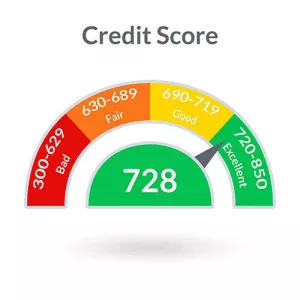
The credit score is a numerical rating that tells the lenders how responsible you are with your money. A conventional mortgage has a different credit requirement than other government-backed loans. Generally, the lenders expect a credit score of 620 or higher for better mortgage rates.

A high score can get you a low interest rate, while a low score can result in higher rates.

In the latter case, it’s also possible you’ll have trouble qualifying for a loan. Here are the minimum credit score requirements for various government-backed loans.

  • Conventional Loans – 620
  • FHA Loans – 580
  • VA Loans – 580
  • USDA Loans – 640

If you have a low credit score, you probably miss payments and regularly overdraft on your accounts. If your credit score isn’t where it is supposed to be, here are a few things you can do to increase it over time.

  • Pay off debt – Determine any outstanding debt payments, pay them until it paid in full. With the reducing debts, the lender may even approve your mortgage.
  • Make all payments on time – Making your monthly payments on time can help increase your score since 35% of the credit score comes from your credit history.
  • Avoid closing credit lines – Neither close an existing credit line nor open new credit when buying a home.

Credit History

For an accurate report, lenders may pull the credit report (with your permission, of course). According to Bruce Ailion, a real estate agent in Atlanta, you may need to explain any shortcomings on your credit report, including a short sale or a foreclosure. In addition, you may have to write a statement explaining the lapses in your report. It helps the lender to evaluate the risk. They may even let it go if it’s a one-time unavoidable circumstance.

Assets

Your lender may also ask to see your assets while assessing the risk factors. Generally, they look for assets and bank accounts that can pay your mortgage payments when you run into any financial trouble. Assets are things you own that hold a significant value.

  • Checking and savings account
  • Stocks, bonds, and mutual funds
  • Certificates of deposit (CDs)
  • IRAs, 401(k)s or other retirement accounts

Lenders typically request the documents for verification to confirm the sources.

What Should Be an Optimum Size of Down Payment?

A down payment is the amount of mortgage the borrower lays down at the time of closing. Generally, it is 20% of the loan amount. Any amount less than that, you’ll have to buy private mortgage insurance (PMI). However, it is not the minimum you need to qualify for a loan. How much money you put down depends on you. Nevertheless, lenders have a minimum limit for the down payment, which you’ll have to meet.

  • Conventional Loan – 3%
  • FHA Loan – 3.5%
  • VA/USDA Loan – 0%

Proof of Income Requirements for Mortgage Loans

Your income is not as much as a point of consideration when obtaining a loan. The most crucial part is your ability to make monthly mortgage payments. Other factors they’ll consider are the credit score, DTI ratio, and down payment. Each lender determines its qualifying criteria. Here’s a look into what lenders expect from borrowers:

Monthly Income

If you are on a payroll, the mortgage process is pretty straightforward. You’ll have to submit your recent pay stubs and W-2’s. If self-employed, you’ll have to submit your tax returns and other documents that the mortgage lender requests. The longer you stay in a position, the more the lender will be ready to loan you. In case you moved roles, you may want to wait a year or two before applying for a mortgage. Some of the other sources of income include:

  • Overtime
  • Commissions
  • Alimony payments
  • Military benefits and allowances
  • Social security income
  • Child support payments
  • Investment income

Debt-to-Income (DTI) Ratio

Mortgage lenders use the Debt-to-Income (DTI) ratio to decide how much you qualify for.

DTI = Monthly Debt Payments ÷ Monthly Household Income

With the DTI ratio, the lenders determine if you can comfortably afford another debt. A low DTI is ideal, with lenders preferring 50% or lesser. Any more than that, chances are that your mortgage application will be rejected. If you have a high DTI, look for ways to cut back on your monthly budget or increase your income.

Asset Statements

Asset statements are proof of your net worth, including investments, bank statements, and assets, providing a detailed look at your finances. The comprehensive portfolio of assets ensures that you can comfortably afford the mortgage. Furthermore, it also helps the lender determine that the approved mortgage is the right one for your financial needs. When you apply for a mortgage, your lender requires records verifying the assets and the source of your wealth. In order to confirm the assets, you’ll submit asset statements detailing your portfolio to the lender. Here are some of the types of assets that need to be submitted in the verification:

Liquid Assets

Proof of Income - Liquid Assets - CashAssets that have a cash value or can be converted to cash are called liquid assets. Lenders would want to verify that you have the means to pay the payments, insurance, taxes, and interest on your mortgage. The capability to pay for these is determined by the liquid assets, including bank account, savings account, checking account, stock option, etc. Experts suggest having six months of current income in liquid assets or cash to tide you over in times of financial emergency. This ensures that you can continue paying the mortgage payments even if you have no source of income.

Non-Liquid Assets

In addition to the liquid assets, lenders also expect proof of non-liquid assets in the asset statement. Non-liquid assets refer to difficult assets that take longer to convert to cash, including cars, jewelry, self-owned businesses, real estate, artwork, antique furniture, real estate property, etc. They may also change in value from the time it was initially purchased. While non-liquid assets may be difficult to convert in times of emergency, they are still valuable to lenders.

Gift Funds

If you receive money from friends and family to be put toward down payment or closing costs, it is also an asset in the eyes of the lender. Hence you need to verify the source during verification. To use the money safely without it affecting the mortgage approval process, ensure that you have the bank statement showing the deposit and also the bank statement from the giftee as a legitimate source of funds.

Process of Getting Mortgage Approval

The mortgage approval process is one of the most daunting yet vital steps before a home purchase. The process is long and can take anywhere from several weeks to several months.

Preapproval

Most borrowers prefer to get preapproved before starting the house hunt. Preapproval gives an idea of how much money you can expect from your lender and enables them to place a competitive bid. Even real estate agents and sellers prefer preapproved buyers.

Application

Once you have found your dream home, placed a bid, and your offer has been accepted, you can apply for a mortgage. At this juncture, the mortgage lender will check your credit report, income, assets, bank statement, debts, and other financial aspects.

Income Verification

The lender then does the income verification, where he confirms your income and ability to make monthly payments. Having all your documents ready and organized increases your chances of getting approved. The documents vary depending on your employment situation and may include pay stubs, W-2 forms, tax returns, profit/loss statements, and bank statements.

Do not make any cash deposits in your account before and during the mortgage process. You should deposit any cash intended for a down payment way before demonstrating your ability to save money. This is also counted as a part of your assets and should be verifiable.

Appraisal

Another factor that determines the loan amount is the appraisal. The lender conducts an independent appraisal of the property before approving the mortgage. The loan amount usually depends on this appraisal.

Home Title InsuranceTitle Search and Insurance

Before the mortgage is approved, the lender does a property title search and title insurance through a title company. This is to ensure that no other company or individual has rights or legal claims on the house.

Decision

With all the information in hand, the lender will approve or deny your loan. If they are unable to verify the financial information at hand, they may also suspend your application.

No-Income Verification Mortgage

No-income verification mortgages, otherwise called stated-income mortgages, use non-standard means of income documentation. They do not require borrowers to prove a source of income. The mortgage is ideal for self-employed people and seasonal employees. You can use available assets, home equity, and cash flow. There are four types of no-income verification mortgage:

  • SISA – Stated Income, Stated Assets
  • SIVA – Stated Income, Verified Assets
  • NIVA – No-Income Verification, Verified Assets
  • NINA – No-Income Verification, No-Asset Verification

Each of the loans mentioned above has different requirements. However, keep in mind that these should not be used to hide an insufficient financial standing. Apply for a no-income mortgage only if you can make the payments.

Conclusion

Verifying your income is the most critical part of the mortgage approval process. Having a verified proof of income ensures that you have the finances and assets needed in order to qualify for your home mortgage application. When you apply for a mortgage, lenders want to make sure that you have the capacity to make on-time payments every month without fail. Therefore, they have strict requirements for a borrower, including employment history and proof of income. The best advice experts have for you is to seek a professional like a mortgage broker who can guide you through the process. In addition, they can help you find a trustworthy real estate agent and a mortgage lender.

Altitude Home Loans LogoThe people at Altitude Home Loans bring many decades of experience in doing loans the right way. If you are interested in purchasing a home, contact one of our Loan Officers today and we’ll guide you through the Home Loan application process. You’ll be glad you did.