 There has been a lack of knowledge about guarantor loans in the recent past and it was not as widespread. But in the past year or so after the onset of the COVID-19 pandemic, there has been an increase in the number of guarantor loans.
People who have little in the way of financial resources or credits go for these loans if they could produce a guarantor with good credit history. They are usually a trusted family member or friend who accepts the financial responsibilities of the borrower.
This article takes you through everything you need to know about Guarantor Loan, how it works, eligibility, liabilities, interest rates, etc.
Guarantor Loan
A Guarantor Loan is an unsecured loan that requires someone(a friend or a family member) to act as a guarantor. These loans are a great way to borrow money if you have poor credit or no credit at all. However, the catch is that the person who co-signs the loan becomes the guarantor and agrees to repay if the borrower cannot make the repayments. Having one gives confidence to the lenders about getting their money back since the loan doesn’t have collateral of any kind.
The interest rates are usually high, with a 50% APR. Larger loans are often paid over several years.
How Does a Guarantor Loan Work?
Guarantor loans work just like your unsecured loans in a way that both the loans don’t require security from the borrower. Instead, it requires a guarantor who co-signs the loan, thereby providing a guarantee for the repayments.
In most cases, the borrower will have a low income and would not have a home or a car for collateral. Sometimes, borrowers may have had one too many credit applications or poorly managed their credit, leading to your low credit score.
The lender credits the loan based on the paying ability of the guarantor. But first, they will be asked to prove their repayment capacity via their income, assets, or savings. They can also secure the loan against their property.
In order to prevent fraudulent activity, the loan is first transferred to the guarantor, who then passes it on to the borrower.
Guarantor Eligibility Criteria
Any person can become a guarantor, but they need to fulfill the eligibility criteria set by the lender:
The guarantor should:
- Not have a direct financial link to the borrower
- Be over 18 years of age
- Not exceed 75 years
- Have good credit history without any issues on the credit report
- Maintain stable income to cover the loan repayments in case the borrower defaults
- Have a home, property, or a car to act as collateral
- Be a U.S. citizen
Guarantor Check
As a part of being a guarantor, the lender runs a series of checks to assess if they will be able to make the repayments on time (if needed).
- Credit check
- Post-application check to confirm the identity and address
- Check their income, including assets, salary, etc.
Documents Required from a Guarantor
As a guarantor, you will have to provide documents:
- Identity proof
- Address proof
- Occupation
- Pay stubs
- Bank statement
- Assets and liabilities
Benefits of a Guarantor Loan
A guarantor loan benefits the borrower greatly:
- It allows people with no credit score or lower income to secure loans and help get started in life.
- With every repayment, the credit score increases.
- Interest rates are lower than payday loans.
- It is widely available and is a simple process once you have secured yourself a guarantor.
- A better credit score makes applying for loans and credit cards easier.
Risks of a Guarantor Loan
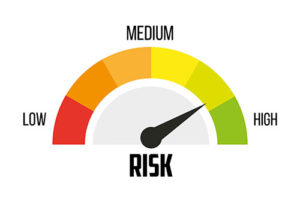 The guarantor loans are always risky for a guarantor:
- They have to make monthly repayments if the borrower defaults.
- They may also be liable to pay extra charges
- There will be a negative impact on the credit history if the guarantor is unable to repay.
- The APRs charged on the loans may vary depending on the market situation.
Interest Rates on Guarantor Loans
Interest rates for guarantor loans are considerably higher than conventional loans due to the risk to the lender and can be 40% to 50% APR. But considering the payday loans at 1500% to 2000% this is definitely lower.
Points to Look for in Guarantor Loans
Apart from the risk to the guarantor, there are some points you may want to know before applying for guarantor loans:
- Consider other avenues of lending, such as bad credit scores or loans from credit unions.
- Look for low-interest options on comparison websites and agencies which run a soft credit check that doesn’t leave a mark on your credit file.
- Getting a loan on the guarantor’s name may be a better option since they might be able to get a better interest rate and APR.
- While secured loans may give you a lower interest rate, you may lose your asset upon default.
- For unsecured loans, the lender doesn’t have a claim to your property.
- Consider the overall cost of the loan, which includes the arrangement fees (only applicable to loan providers)
What Is a Guarantor for a Loan?
A guarantor is someone maybe a family member or a trusted friend who knows the financial situation of the former. They should meet the lending criteria set by the creditor and provides a guarantee for the borrower by co-signing for them.
In the event that the borrower is unable to repay the loan, the guarantor takes over and does the monthly repayments. As such, the latter should be able to rely on the former to make the monthly repayments on time and be on top of his/her finance.
In some cases, your spouse or partner can be a guarantor provided you have no financial links such as a joint bank account. Most times Guarantors are often parents who help out their young adult children get a start in credit history.
Loan Guarantor Responsibilities and Liabilities
The guarantor is solely accountable for the payments on the loan. By signing the loan agreement, they agree to be responsible for the financial decisions made by the borrower.
In case the borrower defaults for some reason, he/she is liable to repay the loan amount. Otherwise, they may face legal action or lose the asset used as security.
Does Being a Guarantor Affect My Credit Rating?
No, simply being a guarantor doesn’t affect your credit rating; however, your actions as one might. If the borrower defaults, you are liable to make the repayment. In this case, the non-payment will negatively impact your credit record and lower your credit scores.
Things to Consider While Being a Guarantor
While there is no harm in being a guarantor, your credit history takes a hit if the borrower defaults on the loan. Here are some pointers you may want to consider:
- Consider the financial situation of the borrower even if the person is your family.
- Reconsider if you are planning on taking loans for yourself. Few lenders do not consider you eligible for a loan when you are a guarantor yourself.
- Make sure you can repay if the borrower defaults. Agree only if the amount is within your capacity to repay.
Can I Stop Being a Loan Guarantor?
No! You cannot stop being a loan guarantor if you have signed the agreement. You have to continue as long as the loan term. However, you can try the following options:
- Either the borrowers or the guarantors should pay the loan in full.
- The lender goes bankrupt
- Get another loan at a lower interest rate to pay the guarantor loan in full.
- Talk with the lender about revisiting the terms.
Guarantors for Personal Loans
Personal loans are considered to be unsecured loans. So, if the creditworthiness of the borrower comes into question, the bank may ask for a guarantor to co-sign the loan for you. And if the borrower doesn’t repay, the guarantor will be expected to make the repayments.
 Is a Guarantor Required for Personal Loan?
Banks generally do not ask for a guarantor unless they doubt the borrowers’ financial standing and the ability to repay loans. Having a guarantor ensures the safety of their money.
Here are a few reasons why a financial institution may ask for guarantors:
- The credit history doesn’t meet the set requirements.
- Bad financial decisions.
- Unstable employment and income which make repayments difficult.
- Job stability
No Guarantor Loans for Poor Credit History
Not everyone has a guarantor to co-sign the loan for them, especially in the case of immigrants. In this case, you may avail for a no-guarantor loan.
However, your desperate situation may attract one too many scammers. Here are a few points to watch out for:
- The loan process happens via a phone call.
- There are no physical addresses for the lenders.
- Lenders don’t have permission to operate in the state.
- The financial institution asks for money to be sent to them.
Guarantors vs. Co-Signers
Both the co-signers and the guarantors help get the loan approved and that is where the similarity ends. Simply put, co-signers are co-owners of an asset, while guarantors have no claim to the asset purchased by the borrower.
If the borrower doesn’t meet the income criteria set by the lenders, the co-signing arrangement happens. In this case, the asset is owned equally by both parties: the borrower and co-signer. However, a guarantor may be asked to step in when borrowers have sufficient income but don’t qualify for the loan because of poor credit histories.
Also, co-signers take on more financial responsibility than guarantors do as co-signers are equally responsible right from the start of the agreement, whereas guarantors are only responsible if the borrowers default and fail to meet their financial obligation.
What Happens if a Guarantor Loan is Not Repaid?
The guarantor loan has a significant impact on the family member or friend who co-signs if you do not make the repayments. If they secure the loan against property, they run the risk of losing it.
- If the borrower cannot repay the loan, the lender reaches out to the guarantor, who is obliged to catch up with the repayments.
- Lenders have the Continuous Payment Authority (CPA) with which he/she can make the payments directly from the bank accounts.
- In case the account has insufficient funds, the usual debt collection process starts where the debt is passed on to the debt recollection agency.
- In the worst case, the lender could take court action against both the guarantors and borrowers. The same will be recorded on the credit file too.
Can a Guarantor Sue a Borrower?
Yes, the guarantor to the loan can sue if he/she defaults and the guarantor had to repay the entire debt amount.
Conclusion
Getting a loan is a pretty cumbersome process, especially for people with poor or no credit. A guarantor loan on the other hand is an awesome way of helping others get the money that they need by having someone co-sign for them. On the downside, however, the interest rate is typically pretty high and so is the APR.
 Whatever type of loan you apply for, ensure that you read the terms of the agreement carefully before signing up. Take your time to understand the risks and weigh the pros and cons before proceeding. Finally, ensure that you compare guarantor loans and cherry-pick the one that suits your needs the best.
The people at Altitude Home Loans bring many decades of experience in doing loans the right way. If you are interested in purchasing a home, contact one of our Loan Officers today and we’ll help you through the Home Loan application process.

